Business Name: BeeHive Homes of Arrowhead Assisted Living
Address: 17202 N 69th Ave, Glendale, AZ 85308
Phone: (602) 717-1864
BeeHive Homes of Arrowhead Assisted Living
BeeHive Homes of Arrowhead Assisted Living care is ideal for those who value their independence but require help with some of the activities of daily living. Residents enjoy 24-hour support, private bedrooms with baths, medication monitoring, home-cooked meals, housekeeping and laundry services, social activities and outings, and daily physical and mental exercise opportunities. We offer full memory care services that accommodate the growing number of seniors affected by memory loss and dementia. Beehive Homes offers respite (short-term) care for your loved one should the need arise. At the BeeHive Homes of Arrowhead Assisted Living, we strive to provide the best care for our residents while maintaining their dignity and respect.
17202 N 69th Ave, Glendale, AZ 85308
Business Hours
Monday thru Sunday: 7:00am to 7:00pm
Facebook: https://www.facebook.com/BeeHiveArrowhead
Families seldom start their search for memory care with floor plans and staffing ratios. They begin with a feeling: concern, guilt, exhaustion, and the bothersome worry that no community will ever take care of their loved one the way family does.
After twenty years working in senior care, much of it concentrated on dementia care and assisted living, I have watched that worry soften when families stroll into a smaller, home-like setting. They discover personnel greeting locals by name without glancing at a chart. They hear a real cooking area timer, not a distant overhead page. They see a resident helping fold towels at the dining table, not drifting alone in a corridor.
The physical space matters, but the scale matters more. Smaller assisted living and memory care environments usually make it much easier to provide the sort of care that people with dementia really require: familiar, calm, relational, and flexible.
This is not a universal rule. Big neighborhoods can work well for specific senior citizens, and small homes can be poorly run. However when we focus particularly on memory care and dementia care, the benefits of a smaller sized, home-like setting are striking.
What "smaller" truly means in memory care
Families typically ask: "What counts as small?" There is no magic number, and state guidelines vary, but in practice you see three broad models.
Traditional assisted living communities sometimes have 60 to 150 citizens, with a separate secured wing or floor for memory care. Those memory care systems may house 20 to 40 people in a self contained space.
Small assisted living or residential care homes generally serve 6 to 16 homeowners in a house that looks like a single family home or an extremely little lodge. Personnel exist all the time, however the daily rhythm leans closer to normal home life than to a medical facility.
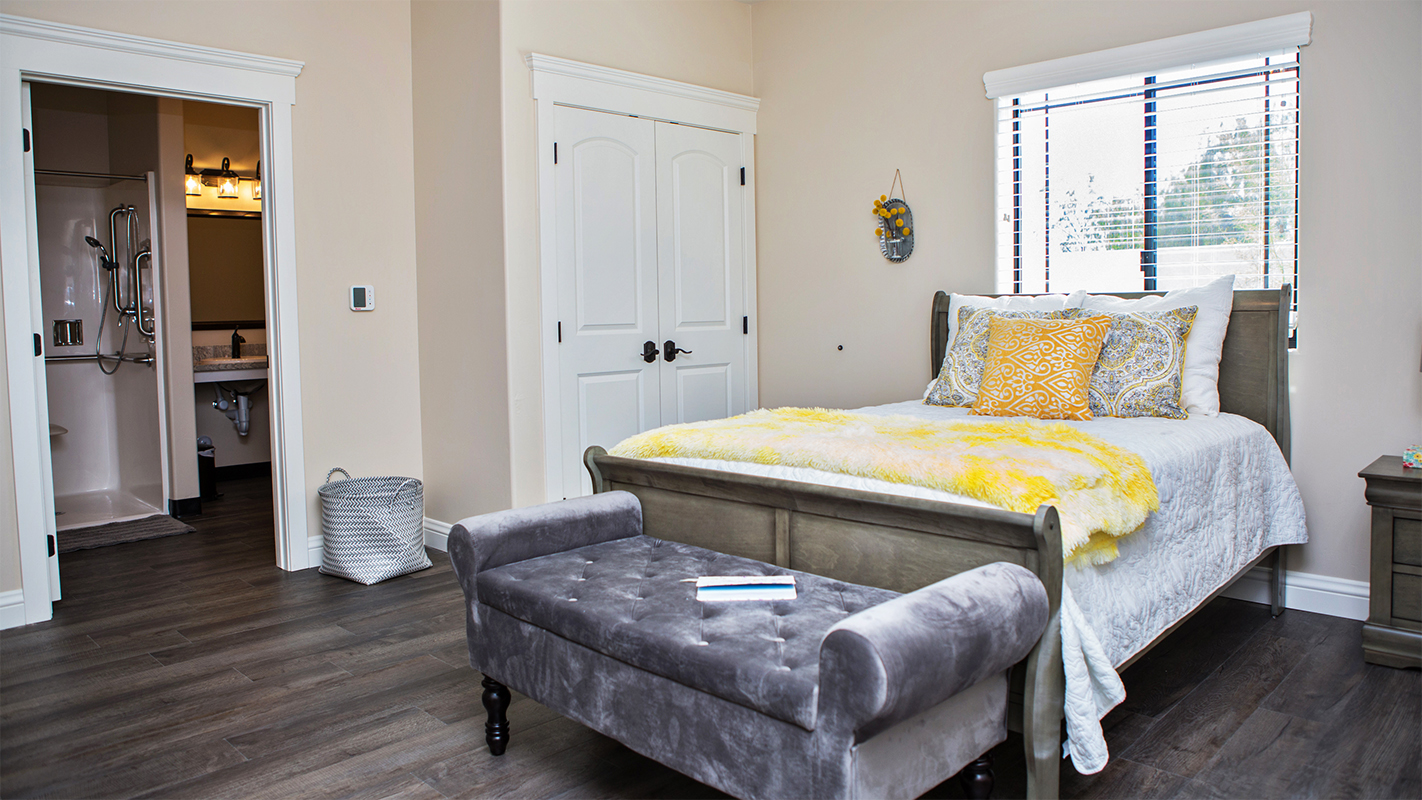
Boutique memory care communities sit between these two worlds. They may have 30 to 60 homeowners, however arranged into numerous smaller sized "homes" of 8 to 12 individuals each, with dedicated staff and shared living areas.
For this conversation, "smaller" means either true residential homes or home design memory care where life plays out on a scale you may acknowledge from your own home: one kitchen area, one dining-room, a den, a yard, and a staff group that knows exactly who is in the house at any offered time.
Why size and scale matter so much in dementia care
Dementia reshapes how a person takes in the world. Sound feels louder. Choices feel more complicated. Complete strangers feel more threatening. The person may not remember your name, but they notice whether you feel rushed or unwinded, kind or annoyed.
In that context, the scale of the environment is not a design preference. It is a medical factor.
In smaller settings, personnel can rely more on observation and relationship than on official paperwork. I think of one resident, a previous teacher with moderate Alzheimer's, who might no longer tell you she was exhausted or nervous. In a 10 resident home, personnel observed that she always began pacing about 20 minutes before lunch. They explored: a small treat and 5 peaceful minutes on the deck cut the pacing in half. No special program, no brand-new medication, simply consistent personnel who might see patterns due to the fact that the environment was manageable.
In a bigger system with 30 locals, that sort of detail is much more difficult to capture. Personnel may do their best, however they are covering more individuals topped more space, handling more jobs that are not really about direct care.
For individuals with dementia, little scale brings three important advantages: predictability, acknowledgment, and easier choices.
Predictability: routines that in fact hold
Most memory care communities speak about routine. Yet routine does not just suggest serving meals at standard hours. It likewise means foreseeable faces, voices, smells, and activity levels.
In a little assisted living home, the early morning might unfold with the exact same two or 3 employee assisting everybody wake, dress, and begin the day. The odor of coffee and toast fills the entire house. Citizens see each other walking around the typical areas. Even if they can not describe the regular, they feel its rhythm.
In a big community, daily life includes more transitions. Early morning staff may work one corridor, then move to another. House cleaning, dining services, activities staff, medication assistants, and nurses move in and out. The resident's door might open for 5 or six various individuals before lunch. For a healthy adult, that is typical. For somebody with dementia, it can be disorienting.
Consistent routine in a little area does not simply feel much better. It decreases confusion, wandering, and behavioral expressions like agitation or repetitive questioning, all of which can spiral into avoidable hospitalization or early nursing home placement.
Recognition: relationships instead of surveillance
Good dementia care is not about creative security functions, it is about individuals noticing early signs of trouble.
In a small home, staff rapidly learn each resident's natural baseline. They know who hums while they consume, who always pushes peas to the side of the plate, who chooses 2 cups of coffee. When something shifts, even a little, it is obvious.
I remember a quiet gentleman with vascular dementia who resided in a 12 bed home. One morning, the overnight caretaker mentioned that he had not finished his typical late night snack and seemed slower on his feet at 6 a.m. By 9 a.m., the day personnel and the nurse had actually examined him twice. Because everyone understood that this was uncommon for him, they called his doctor and captured a urinary tract infection early, before it set off significant delirium.
Had he been one of thirty citizens, covered by two or 3 personnel throughout a wider floor, that subtle change may have gone undetected for a day or two. The result would likely have actually been a trip to the hospital, possibly a fall, and a steep decline.
Smaller settings do not get rid of danger, but they make it a lot easier to practice proactive, relationship based senior care.
Simpler choices, less cognitive overload
Imagine being dropped in the middle of a hotel lobby with 3 restaurant choices, elevators in two instructions, individuals travelling through, and music playing. If you are healthy, you can filter the noise, scan the signs, and choose. If you have dementia, that exact same environment can seem like chaos.
In a little assisted living home, there is typically just one primary living-room, one dining location, and a small number of bed rooms along a couple of brief corridors. It is very hard to get truly lost. Residents do not have to parse choices at every step.
This matters not just for security however for self-respect. When you simplify the environment, you offer the individual more usable independence. They can discover the bathroom without help, walk to the dining table without hints, and browse to the patio on their own. Autonomy in little minutes protects identity, especially as dementia advances.
Why home-like comfort is more than décor
Families in some cases over focus on look. They fall for a memory care system that has a gorgeous lobby, high ceilings, and coordinated furnishings, then worry in a smaller house with older cabinets and a basic backyard.
A home-like environment is not about designer surfaces. It is about sensory cues that match lifelong experience: a real front door, a cooking area at the heart of the space, a table that seems like it could host a family meal, a sofa where you can set up your feet without feeling you have broken a rule.
People with dementia maintain psychological memory far longer than accurate memory. They may not remember what they had for breakfast, however they remember what "home" feels like. When the environment sends out home-like signals, you see subtle shifts: shoulders unwind, discussion comes more quickly, and resistance to standard care frequently softens.
The most efficient small memory care homes I have worked with share a few components:
A central kitchen area that citizens can see, odor, and in some cases safely take part in. Hearing dishes clink and smelling food cooking assists orient time of day. Personal items and familiar mess put thoughtfully, not removed away for a "hotel" appearance. A stack of folded towels on a chair can welcome a previous homemaker to help in a manner that feels natural. Flexible seating areas where 2 or 3 individuals can talk, not just one large activity area. Individuals with dementia often do better in small clusters than in big groups. Access to the outdoors that feels safe however not jail like. A fenced garden or outdoor patio with comfy chairs encourages natural movement and sunlight exposure.These functions can exist in bigger communities too, however they become more powerful in smaller sized numbers, where everyone truly populates the area instead of going to a shared facility.
Staffing: the hidden power of smaller teams
Families typically ask about staffing ratios early. Numbers matter, but in memory care, how staff are deployed matters more than simple math.
In big assisted living and memory care communities, staff roles tend to be more segmented. One group manages personal care, another does activities, another focuses on house cleaning, another on medications. This can produce effectiveness and clear accountability, but it also motivates a task oriented culture.

In a small assisted living home, caregivers wear more than one hat. A caretaker may aid with a shower at 8:30, run a little card video game at 10:00, chop vegetables alongside a resident before lunch, then sit outside with two locals in the afternoon. That does not mean they lack professional training; it implies their work is integrated into the circulation of day-to-day life.
When a caretaker invests the whole day in the same shared space, with the exact same group of locals, subtle changes are impossible to overlook. The relationship deepens in both instructions. Homeowners feel more comfy revealing needs. Personnel can customize care without a conference to "hand off" the plan.
The trade off is that small homes must employ carefully and support those personnel well. A single challenging personality can have more effect in a 10 resident home than in a 60 resident building. Strong leadership, fair scheduling, routine training in dementia care, and appropriate back up for health problem or emergency situations all become critical.
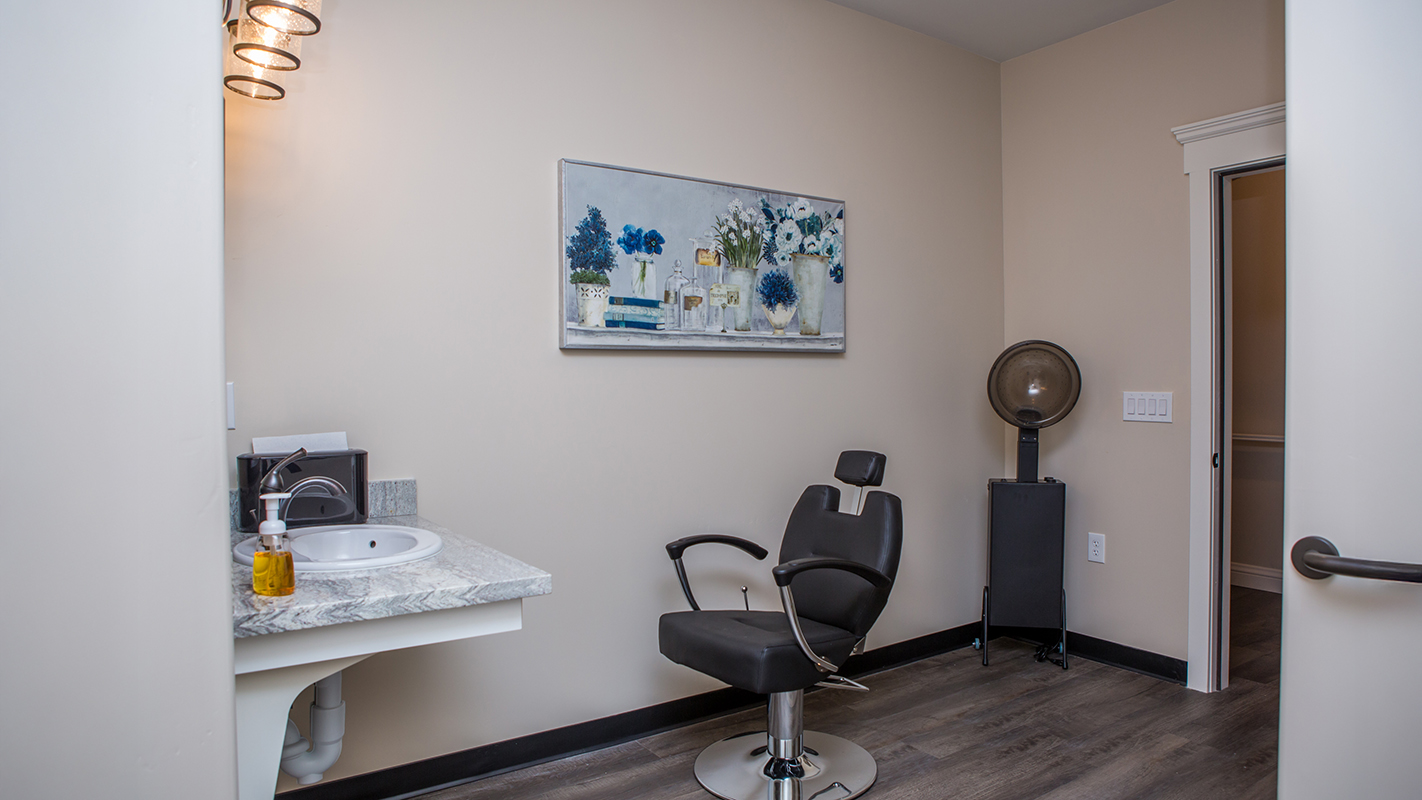
From a useful perspective, lots of smaller sized homes maintain staffing ratios that look similar or somewhat better than big neighborhoods, however the experience is different. 8 locals with one caretaker and a med tech present in a single open space feels really various from 8 locals spread throughout two wings with personnel continuously pulled to respond to system wide alarms.
When larger neighborhoods still make sense
Smaller, home-like assisted living is not constantly the very best fit. Some senior citizens, even with early dementia, genuinely prefer a bigger environment with more amenities: fitness spaces, numerous dining places, a complete calendar of events, and chances to interact with a broad mix of people.
A retired executive used to travel and big groups may feel stifled in a 10 resident home. A couple where just one partner has cognitive disability may do much better in a bigger assisted living community that uses both basic assisted living and a secured memory care choice, so they can remain on the same campus.
Medical requirements can also tilt the balance. Very complicated physical care, ventilators, or heavy two individual transfers may push a person toward a skilled nursing facility, no matter memory care requirements. Some little homes handle greater acuity very well, others do not. Families require to ask concrete concerns about what the home can and can not manage.
Location, expense, and availability likewise matter. In thick urban areas, residential design homes may be rare or priced at a premium. Some families focus on distance over setting, choosing a bigger neighborhood five minutes from home rather than a perfect little home 45 minutes away. That decision can still be sensible, because household existence is itself an effective form of care.
The key is recognizing that "larger" does not immediately equivalent "much better services" for dementia, and that "smaller" does not instantly mean "less expert."
Respite care as a low risk trial
For households on the fence, respite care uses a beneficial middle ground. Respite care means a short stay, frequently 7 to thirty days, in an assisted living or memory care setting, with the very same services long term citizens receive.
In little memory care homes, respite remains enable both sides to discover. The family can observe whether their loved one settles more easily, consumes much better, or engages more when they are in a calm, home-like environment. Staff can see whether they can securely satisfy the person's requirements within the limitations of the house.
One daughter I dealt with was adamant that her mother required a large community with multiple activity options, given that her mother had constantly been social. The first placement was a 40 resident memory unit. After 3 weeks, her mother was overwhelmed, not flourishing. We set up a two week respite remain in a 12 resident home. The difference shocked everyone. With less choices and quieter surroundings, her mother in fact took part more, not less, in everyday life.
Respite care in a smaller sized setting does need planning. Space is restricted, so there might be a waitlist. Rates can differ: some homes charge a daily respite rate that is a little greater than the basic regular monthly expense, to represent the short term nature of the stay. Insurance coverage is irregular, so families typically pay out of pocket.
Still, for many caregivers approaching burnout, even a short duration of respite care in a little, nurturing environment can be life changing. It gives them time to rest senior care and recharge while screening whether that particular setting is the right long term fit.
What to search for when touring smaller memory care homes
Families frequently tell me they feel more relaxed the moment they stroll into a genuinely home-like assisted living or dementia care home, however they are not exactly sure how to evaluate quality beyond that instinct.
Here are focused concerns and observations that help:
Watch how personnel connect in unguarded minutes. Do they use locals' names, make eye contact, and speak at a calm pace, or do they sound rushed and task focused? Ask who cooks and where. If meals are provided from an offsite kitchen or a central center, the home might lose a few of the sensory benefit of cooking smells and versatile mealtimes. Look at how individual the bed rooms feel. Are homeowners encouraged to bring furnishings, photos, and familiar bedding, or does every room look staged and identical? Ask specific dementia care concerns. How do they manage nighttime roaming? What is their method to a resident who declines a shower? Listen for individual focused answers rather than stringent rules. Find out how they manage medical modifications. Do they work closely with visiting doctors, home health, or hospice services? How frequently do they send residents to the emergency room?You do not require a medical background to notice whether the responses come from genuine experience or from a pamphlet. Personnel who have actually operated in small, home-like settings for several years will inform stories, not just policies. They will remember actual homeowners and how they adjusted care plans over time.
The psychological influence on families
Families typically undervalue just how much environment affects them, not just their loved one. Big assisted living structures can feel frightening to visit. Parking garages, reception desks, long hallways, sign in kiosks, and a continuous circulation of complete strangers can sap energy before you even reach the room.
In a smaller home, you normally park in a driveway or on the street, walk up to a front door, and step directly into the home. In time, numerous families start to treat visits more like visiting a relative's home than getting in a facility. They might bring a bag of groceries to cook a preferred meal or sit with a group on the patio area, instead of staging formal "going to hours."
This shift matters. Caregiver guilt seldom disappears, however it softens when you can see and feel that your loved one belongs to a genuine family. Brother or sisters who utilized to argue constantly about care choices frequently discover it much easier to work together when the setting feels warm and transparent.
I have actually seen adult children reach a point where they state, without practiced reason, "This feels like home for Dad." That statement brings massive weight. It typically appears when they see personnel joking with their father, when they discover another resident sharing a regular with him, or when they walk in unannounced and find him napping peacefully in a familiar chair.
Balancing heart and head in the last decision
Choosing memory care is both a logistical problem and a deeply personal choice. It involves senior care policies, budgets, medical needs, geographical realities, and household dynamics.
Smaller, home-like assisted living and memory care neighborhoods tend to line up more naturally with what people with dementia really require: consistent relationships, a workable sensory load, simple routines, and chances for real involvement in life. They support proactive, relational dementia care rather than reactive crisis management. They frequently make respite care more effective by supplying a mild environment where both resident and caretaker can exhale.
Yet the "best" option is rarely ideal on every axis. The best little home might be just out of financial reach, or situated throughout town. The big neighborhood with an excellent track record may feel slightly institutional however offer unequaled medical support.
The most beneficial approach is to weigh environment as a core element, not an afterthought. Ask not only, "Can they satisfy my mother's care requirements?" But also, "Can she feel safe and known in this space?" Image her morning regimen there. Image her on a difficult day. Photo yourself walking through the door after work, seeing the room, smelling the air, hearing the sounds.
If your shoulders drop and your breath steadies when you think of that, you are most likely on the right track. For numerous families facing dementia, that sense of home-like comfort is found more quickly, and more dependably, in smaller sized assisted living settings developed around the scale of a real home.
BeeHive Homes of Arrowhead Assisted Living provides assisted living care
BeeHive Homes of Arrowhead Assisted Living provides memory care services
BeeHive Homes of Arrowhead Assisted Living provides respite care services
BeeHive Homes of Arrowhead Assisted Living supports assistance with bathing and grooming
BeeHive Homes of Arrowhead Assisted Living offers private bedrooms with private bathrooms
BeeHive Homes of Arrowhead Assisted Living provides medication monitoring and documentation
BeeHive Homes of Arrowhead Assisted Living serves dietitian-approved meals
BeeHive Homes of Arrowhead Assisted Living provides housekeeping services
BeeHive Homes of Arrowhead Assisted Living provides laundry services
BeeHive Homes of Arrowhead Assisted Living offers community dining and social engagement activities
BeeHive Homes of Arrowhead Assisted Living features life enrichment activities
BeeHive Homes of Arrowhead Assisted Living supports personal care assistance during meals and daily routines
BeeHive Homes of Arrowhead Assisted Living promotes frequent physical and mental exercise opportunities
BeeHive Homes of Arrowhead Assisted Living provides a home-like residential environment
BeeHive Homes of Arrowhead Assisted Living creates customized care plans as residents’ needs change
BeeHive Homes of Arrowhead Assisted Living assesses individual resident care needs
BeeHive Homes of Arrowhead Assisted Living accepts private pay and long-term care insurance
BeeHive Homes of Arrowhead Assisted Living assists qualified veterans with Aid and Attendance benefits
BeeHive Homes of Arrowhead Assisted Living encourages meaningful resident-to-staff relationships
BeeHive Homes of Arrowhead Assisted Living delivers compassionate, attentive senior care focused on dignity and comfort
BeeHive Homes of Arrowhead Assisted Living has a phone number of (602) 717-1864
BeeHive Homes of Arrowhead Assisted Living has an address of 17202 N 69th Ave, Glendale, AZ 85308
BeeHive Homes of Arrowhead Assisted Living has a website https://beehivehomes.com/locations/arrowhead
BeeHive Homes of Arrowhead Assisted Living has Google Maps listing https://maps.app.goo.gl/D7JvVkn2P8RDaFQS7
BeeHive Homes of Arrowhead Assisted Living has Facebook page https://www.facebook.com/BeeHiveArrowhead
BeeHive Homes of Arrowhead Assisted Living won Top Assisted Living Homes 2025
BeeHive Homes of Arrowhead Assisted Living earned Best Customer Service Award 2024
BeeHive Homes of Arrowhead Assisted Living placed 1st for New Mexico Senior Living Communities 2025
People Also Ask about BeeHive Homes of Arrowhead Assisted Living
What is BeeHive Homes of Arrowhead Assisted Living Living monthly room rate?
Our monthly rate is based on an individual care assessment that determines the level of support your loved one needs. We use an all-inclusive pricing model, which means no hidden costs, no surprise fees, and no confusing tier add-ons. Contact us to schedule a complimentary assessment and personalized quote
Can residents stay in BeeHive Homes of Arrowhead Assisted Living until the end of their life?
In most cases, yes. We are committed to caring for our residents through their journey. Exceptions may arise if a resident requires 24-hour skilled nursing services or presents safety concerns that exceed what our home can accommodate. We work closely with families and healthcare providers to ensure smooth, compassionate transitions whenever they are needed
Do we have a nurse on staff?
Our home has a consulting nurse available 24/7. If nursing services are needed, a physician can order home health care to be provided directly in the home. Our trained caregiving staff is on-site around the clock for daily support, medication management, and emergency response
What are BeeHive Homes of Arrowhead Assisted Living's visiting hours?
We welcome family visits and work to accommodate schedules flexibly. We simply ask that visits happen at reasonable hours so our residents can maintain healthy daily routines. We believe family connection is essential, and we never want policies to get in the way of that
Do we have couple’s rooms available?
Yes. We have rooms designed for couples who want to stay together. Availability varies, so we encourage you to ask early during the tour and assessment process
Where is BeeHive Homes of Arrowhead Assisted Living located?
BeeHive Homes of Arrowhead Assisted Living is conveniently located at 17202 N 69th Ave, Glendale, AZ 85308. You can easily find directions on Google Maps or call at (602) 717-1864 Monday through Sunday 7:00am to 7:00pm
How can I contact BeeHive Homes of Arrowhead Assisted Living?
You can contact BeeHive Homes of Arrowhead Assisted Living by phone at: (602) 717-1864, visit their website at https://beehivehomes.com/locations/arrowhead or connect on social media via Facebook
Take a drive to Babbo Italian Eatery. Babbo Italian Eatery offers familiar comfort food suitable for assisted living and elderly care residents during senior care and respite care dining outings.